Pace XSports launches in Kathmandu, aims to build world-class sports training ecosystem

 Sports Nepal
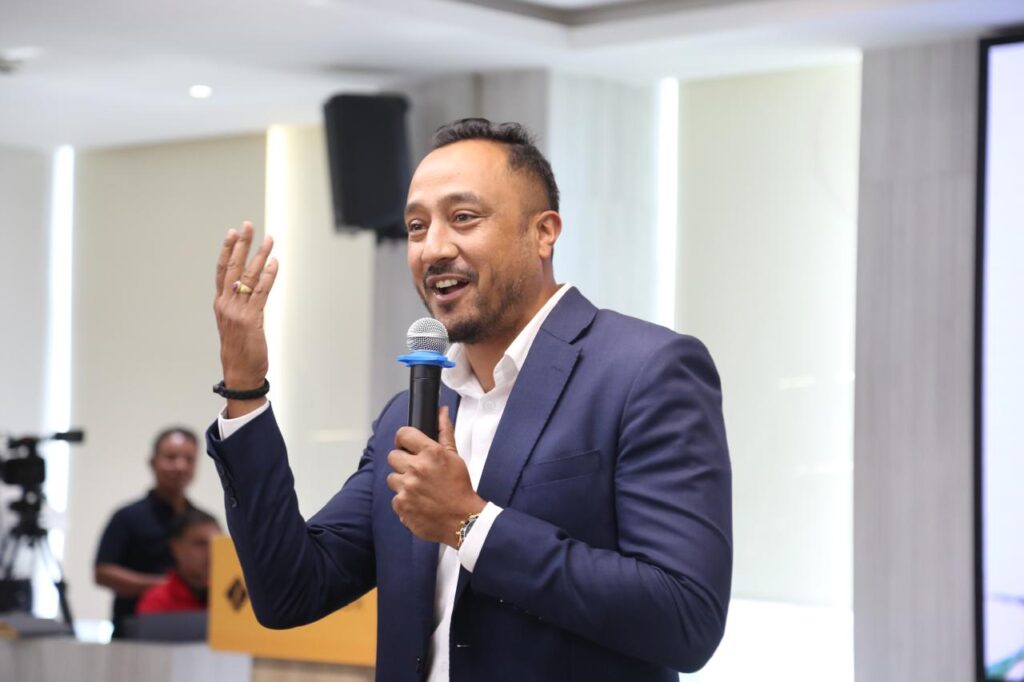
 Kathmandu: Pace XSports, a sports training and management company, formally announced its launch on Wednesday at a press conference held in Tripureshwar, Kathmandu.
According to founder and chairperson Sangita Karn, the company’s primary ambition is to establish a world-class sports training ecosystem for schools, communities and organisations, with a focus on the long-term development of athletes and their overall health.
“Our goal is to implement the scientific and systematic PaceX model in at least 100 schools and organisations across the country within the next five years,” Karn said.
Founding CEO Saurabh Singh said the company was established in Nepal six months ago following two years of planning. “At present, we are targeting 21 sports, including football, cricket and e-sports,” Singh said.
Elaborating on the training approach, Singh explained: “We follow the Long-Term Athlete Development (LTAD) model—the most effective and internationally recognised framework—supported by technology, data analytics and certified professionals with a future-oriented approach. Our programmes cater to athletes aged six to 22.”
He further informed that the company has already discussed its objectives and goals with around 150 schools across three districts in the capital.
In one of the publications distributed at the press conference, taekwondo star Deepak Bista and national football team player Rohit Chand were named as experts, alongside former Indian basketball captain Vishesh Brighuvanshi, among others.
Claiming to be the country’s first and only end-to-end sports management company of its kind, Pace XSports said its key objectives include building a structured and scalable sports training ecosystem, integrating international sports methodologies, promoting health, fitness and holistic development, establishing world-class sports facilities and infrastructure, and empowering coaches, teachers and sports leaders.
However, the company currently does not own any facilities or infrastructure. “In the initial phase, we will provide expert manpower and utilise the facilities of schools or community organisations,” Singh said.